New York City Plans $30 Million Public Grocery Store Despite Local Business Concerns
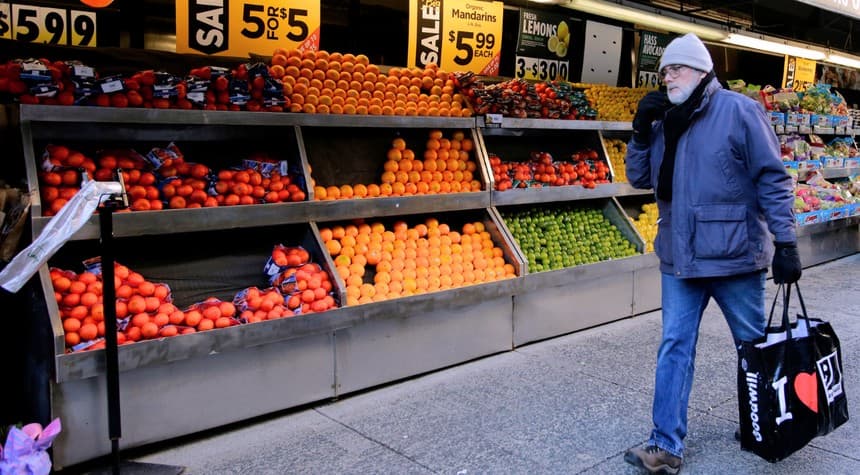
The road to well-intentioned government intervention is often paved with unintended consequences, and New York City's latest venture into the grocery business may prove that old adage true once again.
Mayor Zohran Mamdani has proposed opening city-run grocery stores across all five boroughs, with the first location slated to open next year in East Harlem's La Marqueta marketplace at Park Avenue and 115th Street. The city plans to spend approximately $30 million in taxpayer funds to build this initial store, which officials are billing as a solution to rising grocery costs plaguing New York families.
There is just one problem. The local grocers who have served this community for years are sounding the alarm, and their concerns deserve serious consideration.
Small business owners in East Harlem argue that the area already has plenty of supermarkets and bodegas serving the neighborhood. These are not corporate chains complaining about competition. These are mom-and-pop operations running on razor-thin profit margins, the kind of businesses that keep neighborhoods alive and employ local residents who live just blocks away.
The irony here is hard to miss. City Hall wants to help New Yorkers afford groceries by having government compete directly with the very small businesses that form the backbone of communities like East Harlem. The question worth asking is whether taxpayer-funded stores will actually lower prices or simply shift the burden from shoppers' wallets to their tax bills.
La Marqueta itself carries historical significance as a Latino marketplace that has served the community for generations. Now it will host an experiment in municipal commerce that could fundamentally alter the neighborhood's economic landscape.
The broader implications extend beyond one store in one neighborhood. If the city proceeds with plans to establish publicly run stores across all five boroughs, the cumulative impact on independent grocers could be substantial. These small businesses do not have the luxury of operating at a loss while taxpayers cover the difference. They cannot compete with a government entity that answers to different financial pressures than the marketplace demands.
Supporters of the plan argue that rising grocery costs require bold action, and that point has merit. New Yorkers are struggling with inflation that has hit food prices particularly hard. But the remedy matters as much as the diagnosis. Government-run grocery stores represent a significant expansion of municipal authority into private enterprise, and history suggests such ventures rarely deliver the promised results without creating new problems.
The $30 million price tag for a single store raises additional questions about fiscal responsibility and priorities. That money could potentially subsidize existing grocers to lower prices, support food assistance programs, or reduce regulations that drive up operating costs for small businesses. Instead, the city is choosing to become a direct competitor in the marketplace.
As this plan moves forward, New Yorkers would do well to watch closely what happens in East Harlem. The success or failure of this experiment will tell us much about whether government can truly improve on what private enterprise provides, or whether the cure proves worse than the disease.
The stakes are high, not just for grocery prices, but for the fundamental question of what role government should play in our daily commerce.
Related: Senate Candidate Faces Federal Charges After Allegedly Threatening Trump Assassination